
The Difference Between a Good Trip and a Miserable One Starts With What You Wear
If you have ever been caught in sudden rain during a hike or overheated halfway through a trek, you already know this truth: outdoor comfort is not luck, it is preparation. The right clothing & outerwear can completely change how you experience the outdoors, affecting everything from body temperature to endurance and even safety.
This guide breaks down how to choose outdoor clothing that actually works in real conditions, not just in store displays or online catalogs. You will learn how to layer properly, what materials matter most, and how to avoid common mistakes that lead to discomfort, overheating, or getting soaked at the worst possible time.
Understanding What “Performance Clothing” Really Means Outdoors
Performance is About Adaptability, Not Thickness
A common misconception is that thicker clothing equals better protection. In reality, performance outdoor wear is about adapting to changing conditions.
Good outdoor clothing & outerwear should:
- Keep you dry when it rains
- Regulate temperature during movement
- Allow sweat to escape
- Protect you from wind without overheating
Instead of relying on one heavy jacket, outdoor enthusiasts use a layered system that adjusts as conditions change.
The Layering System That Actually Works in the Outdoors
Base Layer: Moisture Control is Everything
Your base layer sits directly on your skin. Its main job is to manage sweat.
Best Material Choices
- Merino wool for natural odor resistance and temperature balance
- Synthetic fabrics like polyester for fast drying and affordability
Cotton should always be avoided because it traps moisture and can make you feel cold and clammy even in mild weather.
Mid Layer: The Warmth Manager
The mid-layer traps heat and keeps your body temperature stable.
Common Options
- Fleece jackets for lightweight warmth
- Down jackets for maximum insulation in cold, dry conditions
- Synthetic insulation for better performance in wet weather
A growing trend in outdoor gear is hybrid mid layers, combining fleece and insulated panels for better flexibility during movement-heavy activities.
Outer Layer: Your Weather Shield
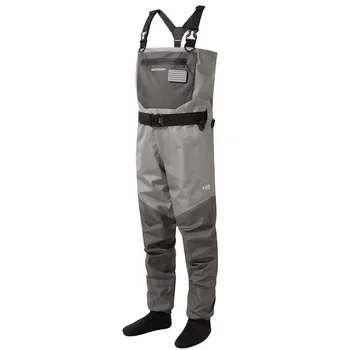
The outer layer protects you from wind, rain, and snow. This is where many beginners either overspend or underprepare.
What to Look For
- Waterproof rating of at least 10,000mm for hiking conditions
- Breathable membranes to prevent overheating
- Adjustable hoods and ventilation zippers
A quality shell jacket is one of the most important investments in outdoor clothing because it determines how well your entire system performs.
Choosing the Right Materials for Comfort and Performance
Natural vs Synthetic: The Real Trade-Off
Each material type has strengths depending on your activity level and environment.
Merino Wool
- Excellent temperature regulation
- Naturally odor-resistant
- Best for multi-day trips
Synthetic Fabrics
- Lightweight and quick-drying
- More affordable
- Better for high-intensity activities
Down Insulation
- Extremely warm for its weight
- Ideal for cold, dry environments
- Less effective when wet unless treated
Modern outdoor brands increasingly combine these materials to balance warmth, weight, and durability.
Tips for Choosing Outdoor Clothing That Actually Works
Tip 1: Always Dress for Movement, Not Stillness
Your body heats up quickly when hiking or climbing. Many people make the mistake of dressing for the start of the activity, not the middle. The result is overheating and constant layer removal.
A better approach is to start slightly cool, then adjust layers as you move.
Tip 2: Prioritize Breathability Over Bulk
Breathability is one of the most overlooked factors in outdoor comfort. Even the warmest jacket will feel uncomfortable if sweat cannot escape.
Look for:
- Ventilation zippers
- Mesh-lined areas
- Breathable membranes in outer shells
This is especially important in humid climates where moisture builds up quickly.
Tip 3: Understand Weather Variability, Not Just Forecasts
Outdoor conditions are rarely stable. A sunny morning can shift into heavy rain or strong wind in minutes.
Carrying a lightweight waterproof outer layer is one of the simplest ways to avoid discomfort and prevent early trip cutoffs due to weather changes.
Tip 4: Fit and Mobility Matter More Than Brand Names
A common mistake is choosing gear based on brand reputation alone. However, fit determines performance more than labels.
Your outerwear should:
- Allow full arm movement
- Fit comfortably over mid layers
- Avoid tight restrictions around the shoulders or chest
Poor fit reduces insulation efficiency and makes long hikes more tiring.
Tip 5: Sustainability is Becoming a Performance Factor
A major trend in outdoor apparel is the shift toward recycled and eco-friendly materials. Recycled polyester, responsibly sourced down, and PFC-free waterproof coatings are becoming standard in many new product lines.
This shift is not only environmentally responsible but often results in more durable and innovative materials.
Smarter Clothing Choices Lead to Better Outdoor Experiences
Choosing the right clothing & outerwear is not about buying the most expensive gear; it is about understanding how each layer works together. When you prioritize moisture control, insulation balance, breathability, and proper fit, your comfort level improves dramatically in any environment.
Outdoor adventures become more enjoyable when you are not distracted by cold, sweat, or poor protection. With the right clothing system, you are free to focus on the experience instead of the weather.
If you found this guide helpful, consider exploring more outdoor performance tips or subscribing to updates on seasonal gear guides and practical hiking advice.


0 Comments